28th February 2025
In commercial real estate, great architecture isn’t just about aesthetics—it’s about functionality, longevity, and the ability to adapt to evolving business needs. Architects play a pivotal role in creating future-proof office space , ensuring that businesses can thrive in well-designed environments that blend efficiency, sustainability, and user experience.
At Amar Builders, we recognize that architecture shapes the way businesses operate, collaborate, and grow. This perspective is deeply embedded in our commercial projects, where every space is designed with purpose.
The Architect’s Impact on Commercial Spaces
Architects are problem-solvers, tackling challenges such as:
- Maximizing space utilization without compromising comfort.
- Designing for flexibilityto accommodate evolving business models.
- Incorporating sustainability for long-term operational efficiency.
- Enhancing user experience with thoughtful layouts, natural light, and ergonomic considerations.
Every decision—from the width of a corridor to the placement of breakout zones—affects productivity, well-being, and operational efficiency.
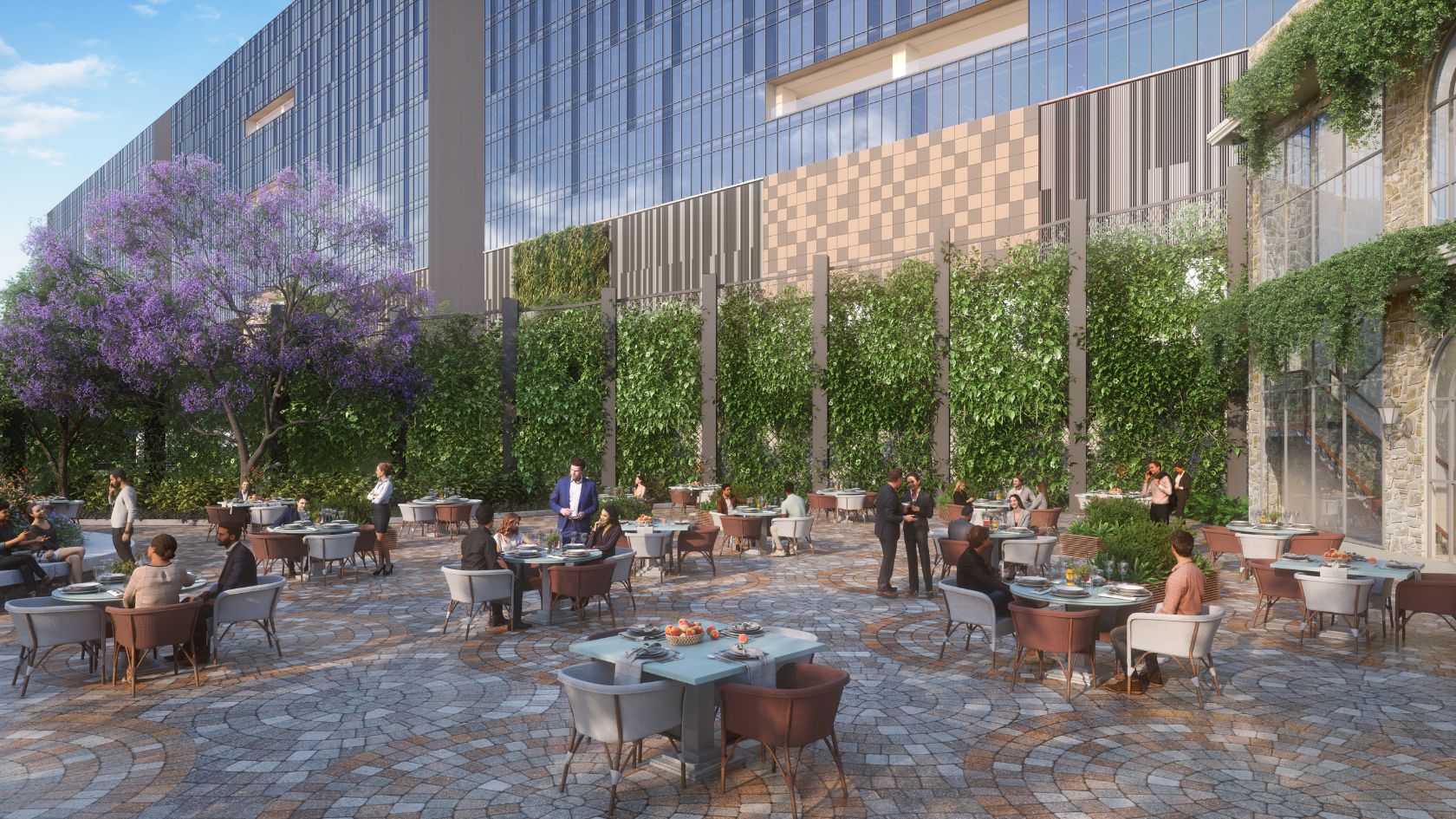
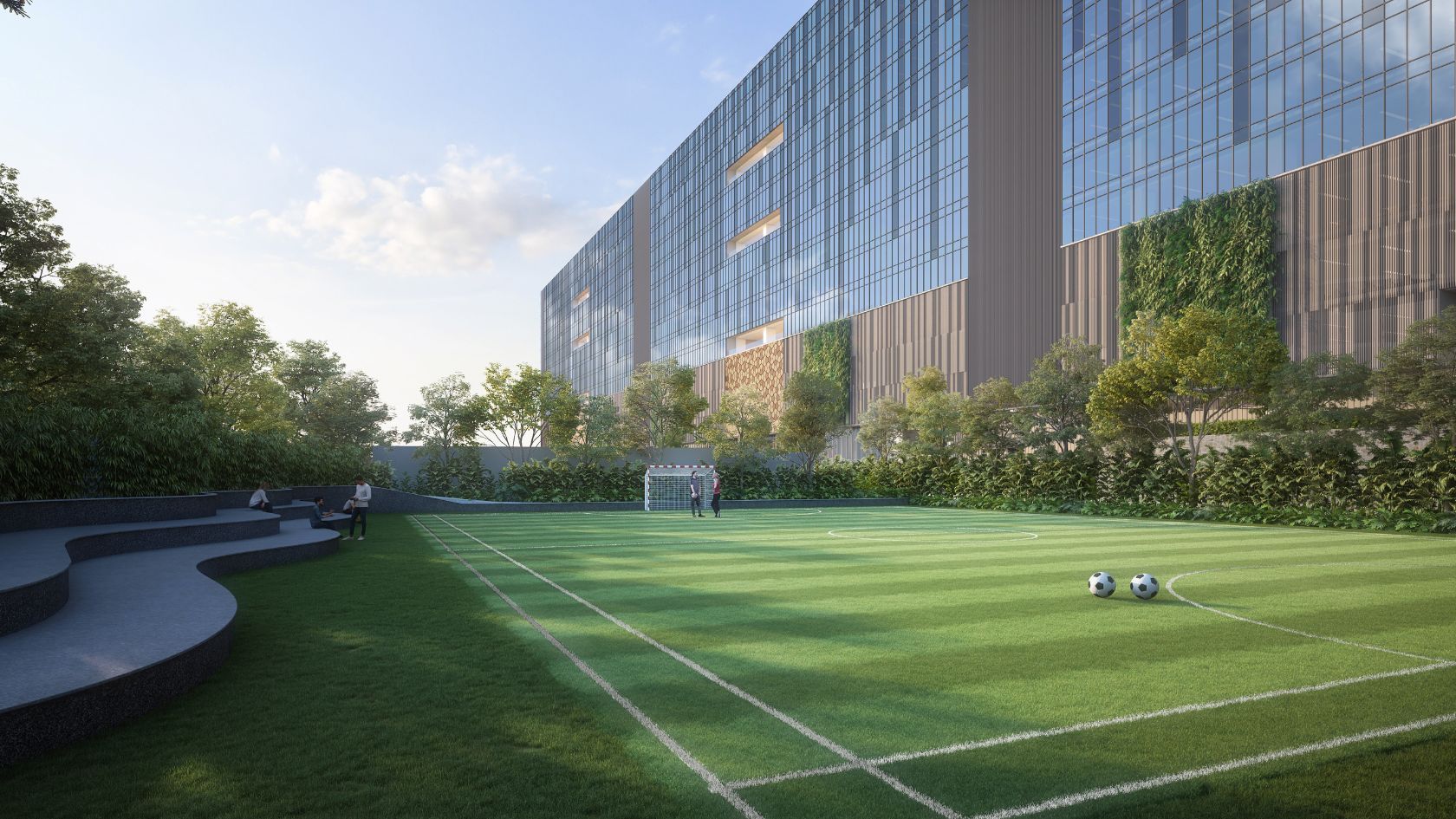
Case in Point: The AP4 Tech Park by Amar Builders is designed to cater to next-gen businesses with open workspaces, natural ventilation, energy-efficient structures, and seamless connectivity—all elements that architects strategically incorporate to future-proof commercial buildings.
Future-Proofing Commercial Spaces: Key Architectural Principles
Modern commercial projects must align with the evolving needs of businesses and employees. Architects today prioritize:
Adaptive & Flexible Spaces:
Workspaces should allow businesses to scale up or down with ease. Modular office designs, movable partitions, and multi-use common areas are key elements of adaptability.
Sustainability & Efficiency:
- Green building certifications like IGBC are now a standard benchmark.
- Amar Builders integrates solar-efficient facades, rainwater harvesting, and optimized HVAC systems to reduce environmental impact.
Workplace Well-being & Experience:
- Employee well-being is now a priority in workspace design.
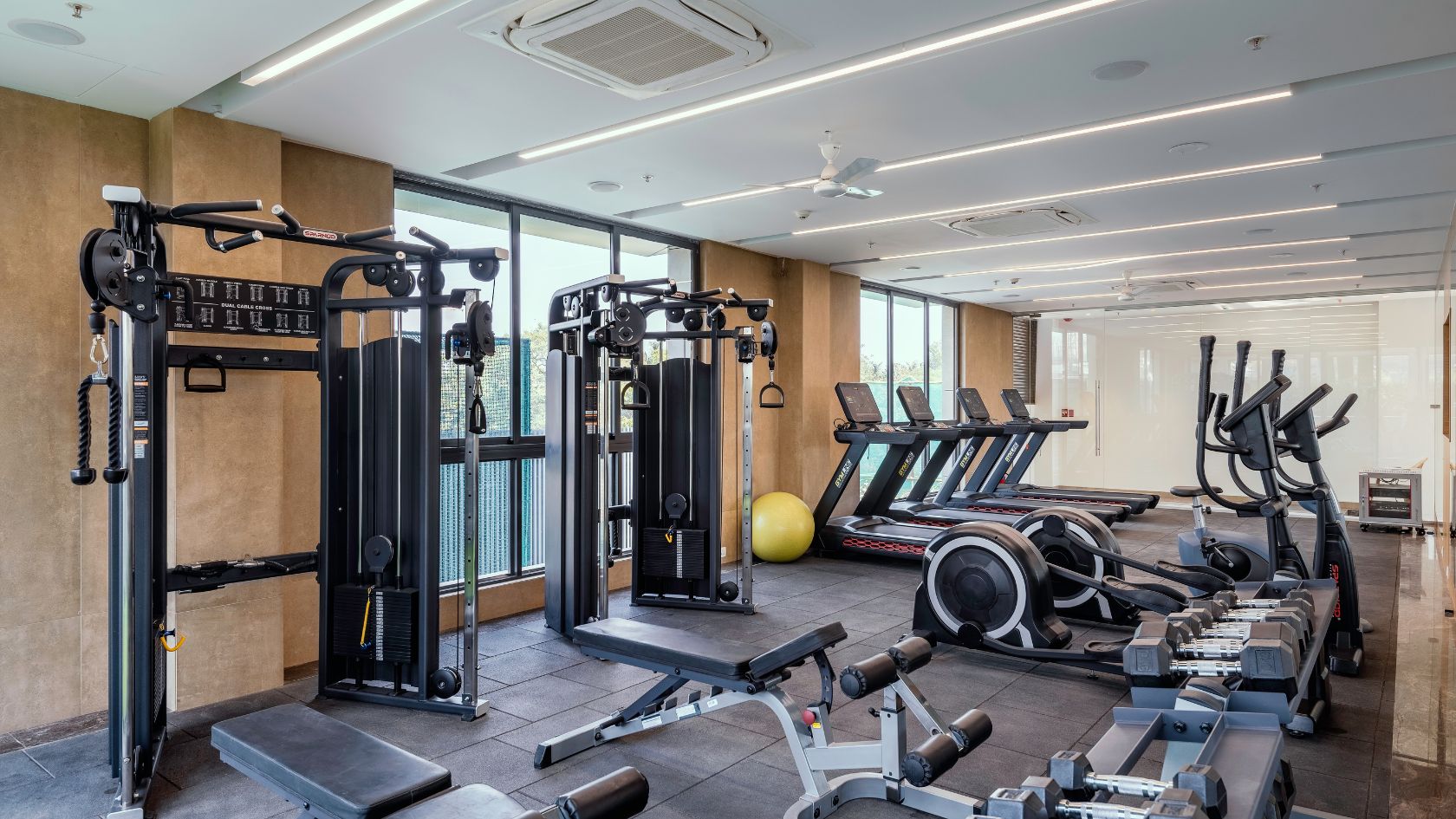
- Architects use natural lighting, acoustics, greenery, and ergonomic layouts to improve productivity and morale.
The Architect-Developer Partnership: A Collaborative Vision
At Amar Builders, we believe that great real estate is the result of a strong partnership between developers and architects.
From the early blueprint stage to execution, our architects:
- Balance function & form to create high-performance workspaces.
- Integrate sustainability without compromising design.
- Focus on usability & user experience to create business-friendly environments.
Our collaboration with leading architectural firms has resulted in projects that stand out for their efficiency, aesthetics, and long-term value.
As businesses evolve, so do their spaces. The future of commercial real estate lies in the hands of architects who can blend vision with practicality, innovation with functionality.
At Amar Builders, we are committed to crafting workspaces that not only meet today’s demands but also anticipate tomorrow’s needs. With the right architectural approach, commercial real estate can move beyond conventional buildings—it can create thriving ecosystems for businesses, employees, and communities alike.
Voices from the Industry: Insights from Leading Architects
As part of our Fridays With the Architect series, we’ve asked architects about their perspectives on the industry and their role.
Stay tuned as we feature their insights, experiences, and vision for the future of workspace design.
-
Crafting Excellence: Design Principles of Amar Builders

-
What the New GST Reverse Charge Means for Commercial Rentals

-
The Surge of India’s Commercial Real Estate Market

-
Pune: The Emerging Epicenter for Global Capability Centres in India

-
The Green Trellis: A Vision for Sustainable Architecture at Amar Summit

-
Water Wise: Amar Builders' Commitment to Sustainable Water Management

-
Biophilic Design: Nature's Influence Indoors

-
Small Changes, Big Impact: Amar Builders' Energy Conservation Measures

-
Implementing Smart Office Solutions

-
Lighting the Path to Brilliance - How the essence of Diwali...

-
Busting the 10 Myths of Sustainable Architecture this Dussehra

-
Amar Summit: Marrying Modern Tech with Sustainability
